


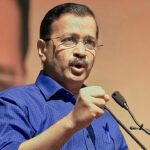


The Punjab Government has officially launched the ‘Meri Rasoi’ scheme, providing free monthly ration kits to 40 lakh Blue Card holders starting April 2026.
This major welfare initiative aims to combat inflation, following a cabinet decision led by Chief Minister Bhagwant Mann to ensure food security.
In a significant move to provide financial relief to the underprivileged, the Punjab Government, led by Chief Minister Bhagwant Mann, announced on February 23, 2026, the launch of the ‘Meri Rasoi’ scheme. Starting April 1, 2026, over 40 lakh Blue Card holders across the state will receive comprehensive free ration kits every month. This directive, approved during the latest cabinet meeting in Chandigarh, transitions the existing subsidized model into a completely free distribution system. According to official government data, this initiative is designed to mitigate the rising cost of essential commodities, ensuring that no family in the state struggles with basic nutritional needs. The move is expected to have an immediate socio-economic impact on nearly 1.5 crore citizens.
The ‘Meri Rasoi’ scheme marks a pivotal shift in Punjab’s social welfare trajectory. Historically, the state operated under the Atta-Dal Scheme, which provided subsidized grains to low-income families. However, as global and domestic inflation rates fluctuated, the burden on the common man increased. The evolution toward “kits” rather than just loose grain represents a shift toward nutritional diversity. By including oil, pulses, and sugar alongside flour, the government is addressing “hidden hunger,” or micronutrient deficiencies. This legal framework falls under the state’s expanded food security mandate, positioning Punjab as a leader in direct-to-doorstep welfare delivery compared to neighboring regions.
The announcement has triggered a wide range of reactions across the political and social spectrum:
Government Official: “Our mission is to ensure that the hearth of every poor home remains lit. ‘Meri Rasoi’ is not just a scheme; it is a guarantee of dignity,” stated Punjab Food and Civil Supplies Minister.
Opposition Voice: Sukhpal Singh Khaira, a prominent opposition leader, raised concerns: “While we welcome relief for the poor, the government must clarify the source of funding for this massive Rs 1,500 crore annual liability given the state’s existing debt.”
Expert Analysis: Dr. Amanpreet Kaur, an economist at PAU, notes, “This will provide a 10-12% boost to the disposable income of rural households, though the logistics of distributing 40 lakh kits monthly will be a monumental challenge.”
Affected Party: Gurdev Singh, a laborer from Sangrur, shared, “Prices of oil and dal have doubled in two years. Getting these for free will allow me to spend more on my children’s schoolbooks.”
Real-World Implications—Implementation and Challenges
The implementation of ‘Meri Rasoi’ involves a massive logistical operation. The state plans to utilize the PDS (Public Distribution System) network, supplemented by home delivery vans, to reach remote border villages. Public reaction has been largely positive, though long queues at Blue Card renewal centers indicate a 200% surge in verification requests. Economically, the state will need to manage procurement directly from farmers, which could bolster the local agrarian economy. However, the practical challenge remains in maintaining the quality of perishable items like cooking oil within the kits during the summer months.
From a legal and political standpoint, this move solidifies the “Punjab Model” of welfare. Analysts suggest that by providing kits instead of cash transfers, the government ensures the benefit is consumed as nutrition rather than diverted to other expenses. Politically, this creates a strong “pro-poor” image ahead of local body elections. Long-term, if the supply chain remains transparent and leak-proof through digital tracking, it could serve as a national blueprint for food security. However, the fiscal deficit remains the “elephant in the room” that will require strategic budgetary reallocations.
The next thirty days are critical. The Department of Food and Civil Supplies has scheduled a series of district-level meetings starting March 10, 2026, to finalize the vendor contracts for the kits. Blue Card holders are advised to ensure their Aadhaar linkage is updated by March 25 to avoid any delays in their first delivery. Expected developments include the launch of a dedicated ‘Meri Rasoi’ mobile app for real-time tracking of ration vans. Updates will be made available through the official Punjab Government portal and local Sarpanch offices.


